Happy New Year!
Thank you for your patience with me last week. I had an unexpected family matter come up and needed to step away briefly. I’m so happy to be back with you today and excited to share this week’s Slow Stitch Sunday.
This week, I want to talk about designing for longevity - what it means to create garments that are not only beautiful, but thoughtfully made to last, be loved, repaired, and worn for years rather than seasons.
In a world where clothing is designed to be replaced, I design with a different question in mind: How will this piece live with someone over time? Longevity isn’t just about durability - it’s about relevance, comfort, and emotional connection. A garment lasts not because it survives wear, but because it continues to be chosen. Slow stitching gives me the space to think about that from the very beginning.
Longevity Starts at the Pattern Stage
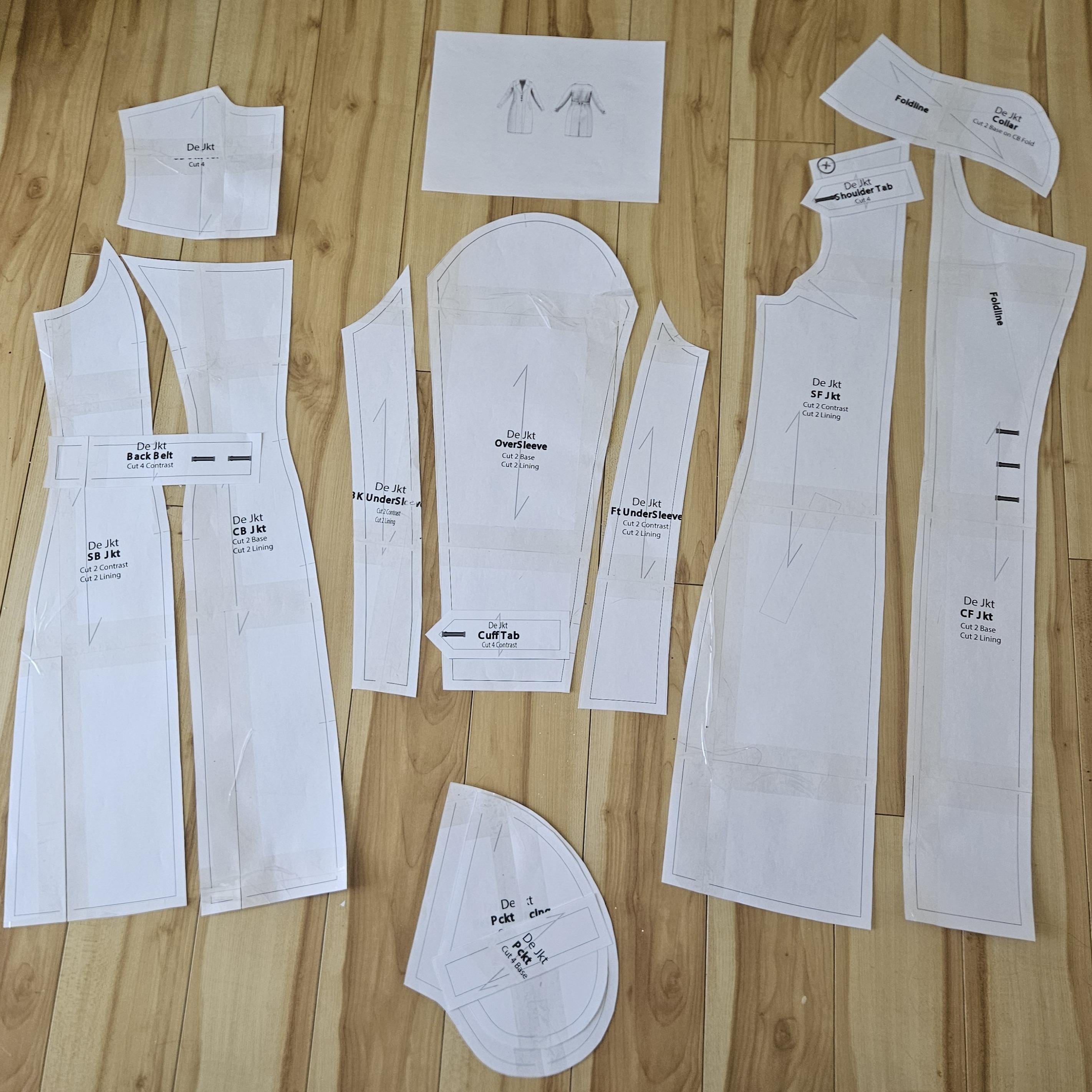
Before fabric is ever cut, longevity is already being decided. I pay close attention to seam placement, ease, and proportion. A garment that pulls, restricts movement, or feels slightly “off” will eventually be pushed to the back of the closet, no matter how beautiful it is. Comfort is not separate from design, it is the design. I draft silhouettes that allow the body to move naturally, sit comfortably, and adapt to small changes over time. That flexibility is what keeps a garment in rotation year after year.
Choosing Shapes That Outlive Trends
Trends move fast by design. Longevity requires stepping outside that cycle. I’m drawn to shapes that feel familiar but not dated - pieces that don’t announce a specific year or season. Instead of chasing what’s new, I return to silhouettes that have proven their staying power: flowing skirts, relaxed bodices, adjustable details, and layering-friendly proportions. These shapes leave room for personal styling. They evolve with the wearer rather than dictating how they should be worn.
Fabric Weight Matters More Than You Think
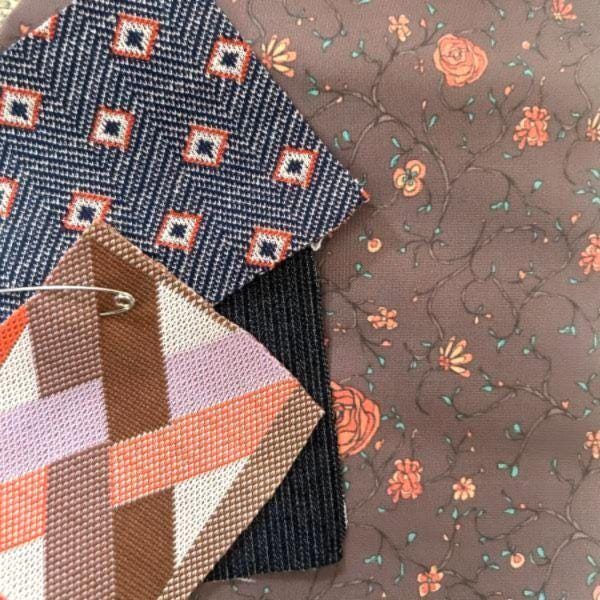
Fabric choice plays a quiet but powerful role in how long a garment lasts. I look for materials with enough substance to hold their shape over time, but still feel soft against the skin. Fabrics that age gracefully, developing character rather than wearing out, are always worth the extra care. Weight affects drape, movement, and durability. A slightly heavier cotton might feel different at first, but it often becomes the piece you reach for again and again because it feels grounded, reliable, and lived-in.
Construction That Anticipates Wear
Longevity means anticipating where stress will happen. I reinforce seams, finish edges carefully, and take extra time in areas that experience the most movement. These are small decisions that don’t always show in photos, but they make a noticeable difference in daily wear. Pressing between steps, trimming threads, and slowing down at the end of a piece are all part of honoring the garment’s future life, not just its first impression.
Designing for Repair, Not Disposal
One of the most overlooked aspects of longevity is repairability. I design garments that can be altered, mended, and adjusted. Straightforward seams, accessible construction, and intentional details make it easier to extend a garment’s life instead of replacing it. A piece that can be repaired carries a different kind of value. It invites care instead of convenience.
Emotional Longevity Is Just as Important
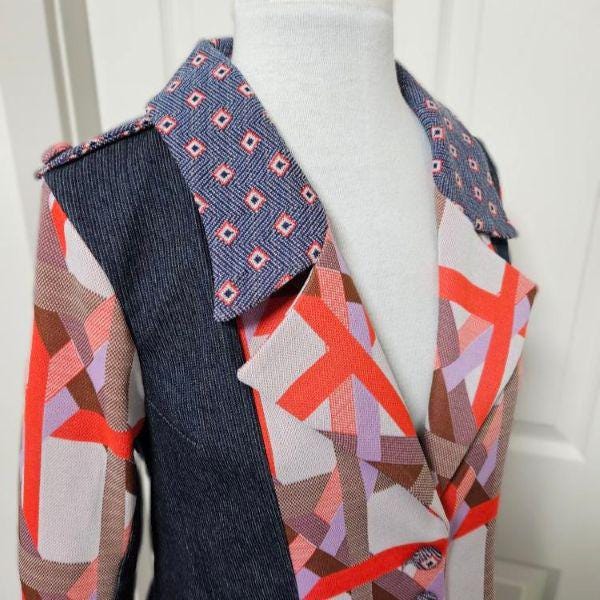
A garment doesn’t last if it doesn’t feel like you. Color, texture, and small handmade details create emotional attachment. These are the elements that make someone pause before letting go, even years later. Clothing becomes part of memory, worn during seasons of life, tied to moments both ordinary and meaningful. That emotional connection is something fast fashion can’t replicate, no matter how low the price point.
Designing With Time in Mind
Designing for longevity means designing with patience. It means resisting urgency, trusting slower decisions, and allowing garments to develop naturally rather than forcing them into relevance. Each piece I make is intended to live a long, useful, beautiful life - not just have a moment. Slow stitching isn’t about doing less. It’s about doing things in a way that respects time - yours, mine, and the garment’s.
Until next Sunday,