One of the most common questions I get, whether at markets, online, or in DMs, is “Why does handmade clothing cost more?”
It’s a fair question. We live in a world of fast fashion, flash sales, and garments that cost less than a cup of coffee. But handmade clothing lives in a completely different ecosystem. Today, I want to pull back the curtain and share what actually goes into pricing a handmade garment, so you can see the care, time, and intention stitched into every piece.
Time Is the Foundation
Every handmade piece begins long before a needle ever touches fabric. There’s:
- Designing and sketching
- Pattern drafting or adjusting
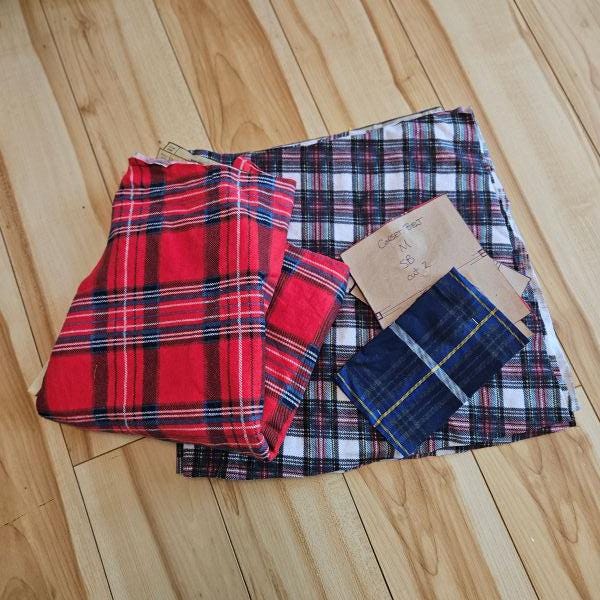
- Cutting fabric carefully by hand
- Sewing (often multiple construction steps)
- Pressing, fitting, and refining
- Finishing details like hems, closures, and topstitching
Unlike factory production, nothing is automated. Each step happens one at a time, by one pair of hands. Even a “simple” garment can take many hours from start to finish.
Skill & Experience Matter
Handmade clothing reflects years of practice, problem-solving, and technical knowledge. Understanding fabric behavior, fit, garment structure, and durability doesn’t happen overnight, it’s built over time. When you purchase a handmade piece, you’re not just paying for the hours spent on that garment, but for the experience that allows it to be made well.
Fabric Choices (and Why They Matter)
I primarily work with pre-loved, deadstock, and thoughtfully sourced fabrics. This means:
- Limited quantities
- Higher-quality materials
- Unique textures, colors, and prints
Deadstock fabrics help reduce waste and give new life to materials that might otherwise be discarded - but they’re often more expensive and harder to source than mass-produced textiles. Each fabric is chosen intentionally, not in bulk, and often dictates how a design comes to life.
Tools, Equipment & Overhead
Behind the scenes, there’s an entire studio setup that makes handmade work possible:
- Sewing machines and maintenance
- Tools, rulers, and cutting equipment
- Thread, interfacing, notions, and supplies
- Studio space, utilities, and software
These costs don’t disappear, they’re quietly built into the price so the work can continue sustainably.
Small-Batch, Ethical Production
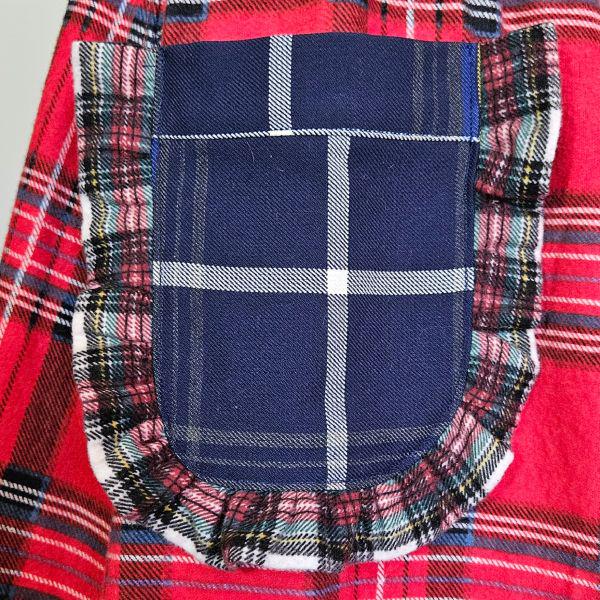
Every garment I make is produced slowly, in small batches or as one-of-a-kind pieces. There’s no outsourcing, no sweatshops, and no mass replication. That means:
- Fair labor (my own)
- Ethical production practices
- Thoughtful pacing over speed
Slow fashion values people over profit and longevity over trends.
Customization & Fit
Many of my pieces can be customized in size or fabric. Custom work requires extra communication, planning, and adjustments to ensure the garment feels right for you. That personalized attention is part of what makes handmade clothing special, and it’s also part of the pricing.
Pricing for Sustainability (Not Just Survival)
Pricing handmade clothing isn’t about getting rich - it’s about making sure the work is sustainable long-term. Fair pricing allows independent makers to:
- Continue creating
- Improve quality
- Invest in better tools and materials
- Avoid burnout
When handmade is underpriced, it’s the maker who absorbs the cost.
What You’re Really Paying For
When you choose handmade, you’re investing in:
- Craftsmanship
- Ethical production
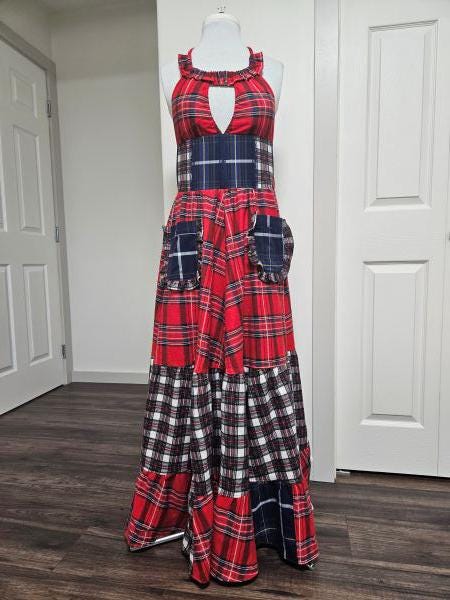
- Unique, thoughtfully designed garments
- Slower, more intentional fashion
- A real person behind the seams
Every stitch tells a story - of time, care, and creative labor. Thank you for supporting slow fashion and the people who keep it alive.
Slow Stitch Sunday is a space for transparency, process, and thoughtful making. If you ever have questions about how something is made, or priced, I’m always happy to share.
Until next Sunday,